EXPORT & LOGISTICS

Define the delivery scope before dispatch.

Request a named Incoterm, location, transport mode and documentation set. Final terms are confirmed in the accepted quotation.

Delivery terms to request

EXW

Named collection place

Review collection scope and export-clearance responsibilities.

FOB

Named shipment port

Sea or inland-waterway term. Confirm port and suitability for the shipment.

CFR / CIF

Named destination port

State sea-freight scope, insurance where applicable and destination charges.

FCA / CIP / DAP

Other agreed transport scopes

Request a precise named place and responsibility split for your cargo.

These are RFQ options, not a commitment that every term or destination is available. The signed quotation determines obligations. ICC Incoterms information ↗

Packing & shipment review

Illustration of pallet protection, a secured crate and ESD-protected PCB packing
Illustrative packing workflow — not an actual company-shipment photograph.

Specify protection for the actual cargo

  • Unit orientation, lifting points, gross weight and pallet dimensions.
  • Moisture, impact and stacking limits for sea, road or air transit.
  • ESD shielding and cushioning for electronics.
  • Where regulated wood packaging is used, review ISPM 15 requirements with the packer and destination authorities.
  • Request actual packing photos and inspection approval for your order before dispatch.
IPPC standards ↗

Documentation checklist

Review commercial invoice, packing list, transport document, origin evidence and model-specific conformity evidence as applicable. Destination requirements, refrigerant restrictions and importer responsibilities are confirmed before acceptance. Transit time and availability are quotation-specific.

Send destination details ↗
WAREHOUSE, PACKING & DISPATCH

Warehouse & container-handling examples

Representative third-party photographs, not AC EXPORTERS or PROHVAC premises or shipments.

Forklift handling goods at a warehouse loading dock
Representative warehouse-handling photograph; not an AC EXPORTERS or PROHVAC facility.
Photo: ELEVATE · Pexels License
Container vessel and cranes at an industrial cargo port
Representative ocean-freight photograph; not a PROHVAC shipment.
Photo: Kai Pilger · Pexels License
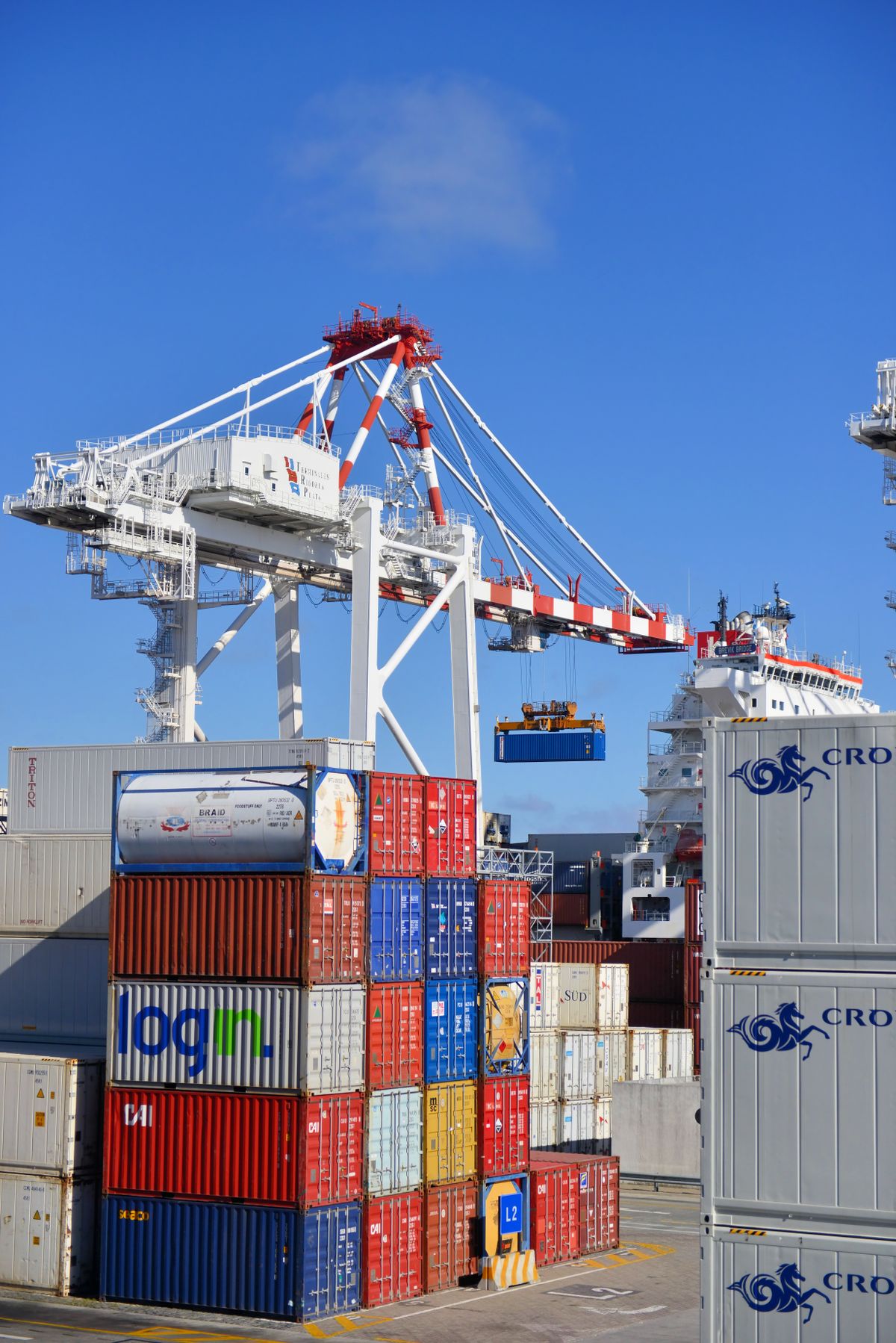
Shipping containers and cranes in an international freight terminal
Representative container-terminal photograph; the named route and dispatch arrangements are confirmed per quotation.
Photo: Frans van Heerden · Pexels License

Container preparation & loading checks

  1. Match equipment models, quantities and serial records to the packing list.
  2. Follow manufacturer handling instructions; protect sensitive electronics against impact and moisture.
  3. Have the responsible packer inspect container condition, payload limits and transport suitability.
  4. Plan weight distribution, blocking and securing with a qualified cargo packer for the equipment and route.
  5. Agree seal records, dispatch photographs and shipping documents in the quotation and shipping plan.

Pallets, crates and any destination-specific wood-treatment requirements are agreed per shipment. Container capacity and transit time depend on the final load plan and carrier booking.

General guidance: IMO/ILO/UNECE CTU Code.